RESEARCH: People want to hear from police and the council in their Facebook group but politicians who talk politics? Nah

7158204550_ef57756814_o (1).jpg

Facebook groups have become part of the landscape but the question still remains should the public sector connect with them? 

The answer is yes, but please don’t go on about politics.

All over the country, it’s great to see people from the public sector starting to use Facebook groups to connect with their audience. It makes sense. Go to where the eyeballs are. Always.

Data says that the eyeballs are in Facebook groups. Overall research shows community groups are booming with numbers surging by 121 per cent over over the past two years.

Intrigued , I surveyed people to see how the public sector could use them. More than 100 people took part and 91 per cent were members of community Facebook groups.

Community Facebook groups are useful places for members

If you have a favourite Facebook group there’s a strong chance you’ll find them useful.

For me, the Saltwells Clean and Green group with more than 200 members tells me when there are litter picks in the green space near my home. The  Stafford Remembered group which celebrates my hometown has 14,000. Both play a different role as the digital Parish pump in my timeline.

Fig 1 – In general, how useful do you find the community Facebook group you most use?

meta-chart (17).jpeg

Overall, Facebook community groups can be useful places. Almost 90 per cent of users described them as varying degrees of ‘useful’.

Facebook group users would most like to see the police in their group

Of all the broad categories of public sector it is the police that topped the charts for the ones who would be made most welcome. A total of 79 per cent would like to see police in their group.

Second place was the council which some may find surprising. But as councils offer up to 1,200 services from potholes and schools to bins there shouldn’t be too much amazement at the request for council staff.

Third place is NHS on 58 per cent with Fire and Rescue 4th on 47 per cent. Politicians did less well with 42 per cent wanting to see a councillor and just 25 per cent the Member of Parliament.

Fig 2 Which organisations or people would you most like to see as members of a community Facebook group?

meta-chart (15).jpeg

But politics is a huge switch-off in Facebook groups

With the General Election fresh in the memory a set of questions in the survey focused on how engaged people were with politics.

Just over 50 per cent of Facebook groups had political discussion with 35 per cent not allowing them.

“People attempted to start political discussions before the election in a number of the community groups I belong to. In every case, the discussions rapidly descended into unpleasantness and abuse and were eventually deleted by moderators and admins. Communities are deeply divided on politics atm, and the groups reflect that.” – survey respondant.

It’s clear to see why those groups that banned political debate did so. Very few in the survey spoke about friendly political discussion. The overwhelming feedback was the political debate was unfriendly and a cause of argument and division.

“I try to avoid local groups with a political bent as they always descend into abuse. I would however appreciate updates from local community representatives about local issues.” – Facebook survey respondant.

Fig 3. In the run-up to the 2019 General Election were there discussions about politics in the community Facebook group you most use?

meta-chart (19).jpeg

People did not like political discussion.

Overall, more than 70 per cent said the political discussion was not useful compared to 11 per cent who thought they were useful.

Talking to Facebook group admins, the toxic nature of online debate was to blame for people not getting much out of them.

“I steered clear of discussions about politics as it was the usual vociferous suspects instructing me how to vote- which I don’t appreciate.” – Facebook group user.

All this does ask the question of how Councillors can connect with Facebook groups. The answer remains guidance I’ve given to the LGA and the Improvement Service in Scotland.  In short: don’t talk about politics. The post on social media that starts: ‘Whatabout Marr, then?’ sees you talk to other political anoraks not the people who put you there. Talk about day-to-day things, the park in good weather, your dog walk through the nature reserve or what you’ve done about fly-tipping.

Picture credit: US National Archives / Flickr


Processing…
Success! You're on the list.

ELECTION POST: The growing role Facebook groups have played in the election

iStock-149075978.jpg

The 2019 General Election was one marked by a series of trends and Facebook groups was amongst them.

The growing role that Facebook groups has played I’ve blogged about before here.

I’m a member of several Facebook groups across the country and things ranged from the carefully considered to the hugely fighty.

BBC Trending caught the zeitgeist with this post on how the election was playing out.

Once upon a time people may have filed into town halls or village squares to debate the issues of the day. Now modern technology makes it easier for people to engage in political debate, especially in the depths of a British winter.

But social media can also suck in those who never intended to spend their evenings arguing with strangers about politics.

Unlike the village square, on Facebook you can’t look someone in the eye or read the tone of their voice. That distance means people sometimes suspend their usual social niceties. The job of keeping things on track falls to volunteer moderators.

It’s easy for conversations to get hijacked. Those who come for the hedgehog photos may end up getting sweary rants about politics instead.

The full BBC Trending post is here.

Processing…
Success! You're on the list.

LONG READ: What comms techniques of the 2019 General Election can teach us

iStock-1134252461.jpg

It’s the last few days of the 2019 General Election and I’m mapping the trends and techniques of the past few weeks.

Remember the Barack Obama ‘Hope‘ image from 2008? or ‘It’s The Sun Wot Won It‘ frontpage? Or the Saatchi ‘Labour isn’t Working‘ poster of 1979? All winning images that reflect the prevailing influence of the shareable image, the newsstand or the roadside poster ad.

A General Election is a petri dish for comms where ideas are tried out. Successful ones are adopted more widely by the comms profession.

But what of the crop 2019?

In a word: depressing.

There’s enough here to be quietly terrified at the state of democracy and of comms in general.

A disclaimer

First, this is an apolitical post looking at techniques and ethics.

Second, not all political comms, PR and digital people indulge in unethical behaviour. Some of this year’s hot trends don’t appear to have come direct from the party political machine. Not every party is blameless.

Thirdly, paid, earned and owned. That’s a mix that plays out online just as it would a comms plan.

Calling out the unethical

Former CIPR President Stephen Waddington has blogged to call out some of the behaviours. He’s right to do so. My great worry in the shake-down of all this is the damage to the profession and the pressure on comms people to knock-up that quick sock puppet account. Stephen is dead right when he says we need to hold the line.

Responsible bodies such as the CIPR, LGComms and the Government Communications Service need to re-state their commitment to ethical comms the day after the election if not before. As a profession, we need resources to help people deflect requests for unethical behaviour. We need to know where the line is so we can hold it.

Techniques during the election

Of course, it’s worth remembering that so much of electioneering in Britain is envelope stuffing, doorstepping and leaflet pushing. In 2019, online campaigning is having a direct influence but so is the army of volunteers pounding pavements.

In 1983, Margaret Thatcher would look for the two TV news cameramen from the BBC and ITV. The 24-hour news cycle hadn’t kicked in and the landscape was dominated by the newspaper frontpage, BBC Radio 4’s Today programme and the 1 o’clock, 6 o’clock, 9 o’lock and 10 o’clock news.

That 24-hour news cycle feels more like 24-minutes. Journalists on Twitter break news. But so do the public. The passer-by captures the heckle then posts it online. The journalist rips the video and shares it.

Misinformation? Some say that we all need to get clued-up on how accurate what drops into our timeline is. We probably do. But we won’t. Not if that video chimes with what we think. Besides, its far quicker to share it and move on than to spend five minutes researching provenance.

Facebook advertising

From a small base, the 2019 election has seen Facebook ads embedded as a campaign tool. According to the Finanacial Times. The Conservative Party launched a staggering 2,600 ads in a single day with spending projected at reaching almost £3 million outspending their rivals with deeper pockets.

But when one campaign group calls ads ‘indecent, dishonest and untruthful‘ we have a problem.

fb adsd

Facebook has prepared and tweaked for the 2019 election but the decision not to take down Facebook ads that lie is baffling.

The days of a single image campaign are over. That’s the double whammy bombshell.

Status: Legal but content is unregulated.

Single issue websites from campaign groups where it’s not immediately clear who the campaign is from

In the week before the election, social media was flooded with tailored content that compared the three main parties’ education spending. What is particular about it is that you can search for your school and find out relative spending plans. So, its’ personalised content.

mount

The schoolcuts.org.uk can create content for more than 20,000 schools that delivers a personal message. Who is it from? It’s a site maintained by the Education Union and supported by four other unions. It even awards itself a blue tick.

Status: Legal but hard to verify.

Fake local newspapers delivering a political message

It’s an interesting take on trust that a newspaper is recreated in this approach. Trust has rebounded for newspapers, according to the Edelman Trust Barometer so parties have gravitated towards this technique.

232754584.jpg.gallery

While its on the right side of the law, media companies are unhappy and it feels like this approach has a shelf life.

Status: legal but owned media posing as paid is questionable.

Content is created outside of the party machine

I’d love to see research that shows how much content comes from parties and how much from voters. Like this instagram post.

Screenshot_2019-12-10_150405

Status: Ethical.

Real fact checking websites

It comes to something when the truth rather than coming from the media or the politicians themselves now needs to come from a fact checked source.

Fact checking websites such as fullfact.org are running a checking service that seeks to correct mistruths.

fact

While they’re diligent they’re also niche and are unlikely to have a popular reach.

Status: Legal and a higher level of verified trust.

Misleading fact checking websites

Twitter described as ‘misleading’ the Conservative Party rebranding of their main account as a ‘fact checking’ service.

cchq Of course, rather than an independent fact checking service the account was a partisan spin on the Opposition. There is a school of thought that the ploy was a deliberate attempt at controversy in order to get commented upon and shared thereby blocking the light for any debate around opposition policy.

Status: Legal but questionable.

Shit posting for the RTs

Shit posting is the deliberate tactic of posting poor content with a message to get it to stand out.

This New Statesman piece describes the early Conservative campaign strategy of comic sans to spread a message.

screenshot_2019-10-23_at_08.09.35

It’s also a technique I’ve seen in one or two other places. Harmless. Sometimes fun. But not something everyone can do not least all the time.

Status: Legal.

Emails to the converted with clear fundraising calls to action

In the 2017 election, Labour were particularly effective at fundraising through targeted emails to supporters but its a technique all parties use.

Governed by GDPR this form of owned political comms is that rare thing… something governed by legislation.

conss

Status: Legal and regulated.

Poster sites now just mock by reminding of past statements

One striking thing in the 2019 election is the almost complete absence of billboard posters. Once a striking feature of a campaign they now seem to have been relegated to the fringes of the toolbox.

Even in 2010, the David Cameron-focussed ‘We can’t go on like this‘ were a mainstay. But once the internet got to work debunking them all of a sudden they started to unravel.

By 2019, the art form has been fully subverted by campaign groups like the non-party political Led by Donkeys who play back statements and comments that come to haunt.

donkeys

As an advert, they are governed by the Advertising Standards Authority.

Status: Legal and regulated.

Heckling by reminding of past statements

Back in the olden days politicians would tour the market towns armed with a soapbox and a megaphone to address the willing and win over the doubters.

In 2019, the big hitters were kept well away from real people. But when they were let out the heckling was curiously fact based. It’s less ‘Maggie, Maggie, Maggie, out, out, out’ and more ‘Where’ve you been? You took your time’ or ‘Racism has gone right up since you’ve been here.’

alexaaa

Status: Legal and traditional.

Complaining about empty chairing

As politicians are more reluctant to submit to scrutiny from journalists the trend of empty chairing has emerged. This strategy is placing an empty chair in a studio where the invited politician would have sat.

As a campaigning tool, complaining about empty chairing has become a strategy.

empty

The intention is to create some noise for the 24-minute news cycle and draw attention from the fact that the politician is ducking answers.

Status: Legal.

Ducking interviews

The request for interview feels like its gone from a must-do to a maybe. So when Boris Johnson refused to be grilled by Andrew Neil on the BBC opinion was divided. Some comms people thought he’d lose by appearing to run. Others thought he may put his foot in it.

neil

Status: Legal but there’s a question about transparency.

Shaky video on the hoof

I’ve banged on for the past five years about the emerging trend that’s now mainstream. Your smartphone has a video camera. So, press record and use it.

Jess Phillips here uses selfie mode to say she’s at the Little Explorer’s Nursery in Sheldon, Birmingham with noise and activity in the background. It has a re-elect Jess Phillips logo and is subtitled. Two big ticks.

jessq

Status: Legal. 

The death of the set-piece party political broadcast

Ten years ago, the words: ‘There now follows a party political broadcast on behalf of…’ was about as far as most people got. The formal introduction at allotted times pointed out the fact that what was following was propaganda.

The internet has made the formal film dead while the informal social media video is very much alive and well. Take the Conservative’s faux-walk and talk fish and chips or a Sunday roast questioning.

boris

Status: Legal.

Unattributed false briefings translated into instant news headlines

On the day when Boris Johnson caused a storm when he refused to look at the image of a four-year-old sleeping on the floor of a hospital the health secretary Matt Hancock was despatched to the hospital.

When the visiting politician left protestors gave him a send off. Within minutes the media had been briefed that a Tory aide had been punched in the face. Within hours this was shown to be false by video shot by a bystander.

Whatever the ins and outs of this, false briefings to journalists are a really bad idea.

laura

Status: False briefings are unethical.

Sock puppet accounts

Sock puppet accounts are accounts set-up to share and amplify a point of view.

In this thread on Twitter Marc Owen Jones traces the origins of content that seeks to undermine the account of the four-year-old boy sleeping in the hospital floor.

‘Very interesting,’ the text starts. ‘A good friend of mine is a senior nursing sister at Leeds Hospital – the boy shown on the floor by the media was in fact put there by his mother who then took photos on her mobile phone and uploaded it to media outlets before he climbed back onto his trolley.’  

sock

The thread traces the two-hour window where the version was shared unchallenged. Two things are wrong with the post. Firstly. Leeds Hospital is called Leeds General Infirmary and secondly, senior staff had accepted the version of events and apologised.

There is no suggestion these misleading tweets came from a political party.

Status: Unethical and terrifying.

Facebook groups being the new frontline of political campaigning

I’ve blogged before about the reach of Facebook groups in small communities. They are the digital Parish pumps and they play a part in an election.

The four-year-old sleeping on the hospital floor debunking was pushed through Facebook and through groups. The same text was used that started ‘Very interesting. A good friend of mine is a senior nursing sister at Leeds Hospital…’

The contrary message follows some hours later.

star

Twitchfork mobs of supporters accusing journalists / Jews / People who don’t believe in the project enough

Journalism is said to be the first draft of history so the first tweet is the first doodle in the margin.

Journalist’s Twitter accounts are seen as the new front page. There is a race to break news that sometimes leaves verification behind. If ‘a source’ claims something the reporter posts to Twitter and that something then takes a turn on the news cycle.

There’s something really troubling about the mob in action and in 2019 there’s been plenty of it in the run-up to the campaign and during it.

jim

Laura Keunssberg of the BBC and Robert Peston of ITV come in for fierce criticism, often unwarranted.

Status: Fair debate ranging to the illegal and unethical.

Misleading stories going viral

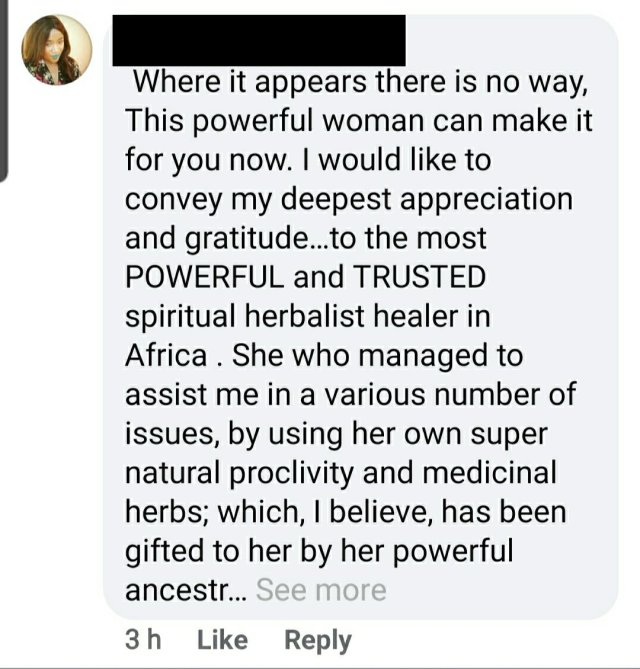
Liberal Democrat leader was the subject of a misleading piece of information as this detailed BBC piece shows.

The allegation starts on one site, is shared by another and then before you know it is halfway around the globe before the truth has got its pants on. The BBC piece here is well worth the read.
sammy

Status: At best unethical.

Microphones are everywhere #1: The Tory MP and the planted door knock

The MP who briefed his friend on what to say had forgotten that he had a microphone on. So, when accompanied by reporter Michael Crick he appeared not quite as straight as he could have.

crick

Status: Unethical.

Microphones are everywhere #2: When you go to be interviewed take your own film crew so you can get your pre-buttal in

When Boris Johnson refused to appear on the Channel 4 Leader’s debate he sent Michael Gove instead. His film crew then filmed the response of Channel 4 staff.

While legal this exerts pressure on the journalist to comply and justify on the spot.

gove

Status: Legal but you’ll probably burn your relationship with the journalist.

The sharable parody

Cassetteboy is an artist who cuts and pastes political interview and speeches into mock pop videos.

In 2019, a parody of ‘You Can’t Touch This‘ attacks Boris Johnson for his perceived lack of trust. It wracked up 260,000 views in five days against 90,000 in 16 hours for the Conservative Party’s own ‘Love Actually’ parody.  If they are a parody legally you’re covered.

parody

Status: Legal.

At a glance, it feels as though ethics have gone through the window at times during the 2019 General Election. It doesn’t matter if you lie because the pace of the internet moves it on and besides, no-one watches the news. We’re also all over the place consuming information in different ways on different channels.

But there will be greater pressure to to bend the rules.

Don’t.

Processing…
Success! You're on the list.

GROUP TREND: 2020 is the year of Facebook groups and here’s the stats to prove it

braintree5

Facebook is one of the central places in the UK where people to spend their time online.

The digital Parish Pump of Facebook groups is where the places people chew the fat, get their local news, gossip, rumour and information.

If a fire breaks out, it’ll be a Facebook group where the news gets broken.

If a pothole breaks out, a road closure happens or a break-in happens its likely to show up in a group.

The evidence is overwhelming. If you want to talk to people, they’re on Facebook. If you want to talk to them about local matters you need to find them in a group.

Three years ago, I started research to see how Facebook groups and pages were being used. Crunching the 2019 data, the headlines are that pages have declined and groups have surged.

Two years ago Mark Zuckerburg talked about the shift towards friends, family and community as being where Facebook was heading. That’s playing out in your timeline with people seeing fewer updates from pages as they scroll. On mobile now have their own dedicated newsfeed.

20191206_103236

If you are a communicator looking to reach a local audience in 2020, knowing your Facebook admins is as important as knowing your beat reporters was twenty years ago.

The basic Facebook landscape

Facebook took a hit earlier in 2019 in the wake of Cambridge Analytica and other scandals. In Statista data shows the UK numbers dipped from 40 million regular users to 36 million. That’s now recovered and upwards trend has resumed on 36.3 million.

Why Braintree?

Over the past three years I’ve researched Facebook groups and pages in Braintree in Essex. Why Braintree? It’s a mix of urban and rural. It has 151,000 residents with a new town and a surrounding network of almost 20 smaller towns and villages from the hamlet of Ashen to the town of Wishen.

Facebook groups v pages

You can join up to 6,000 Facebook groups. You can join a group as an individual or if the group admin allow it through your page. Overall user numbers are hard to come by with unverified figures rate it at 1.5 billion group users – or more than 60 per cent of the overall number of users. Businesses are encouraged towards pages where owners can advertise. Groups are more democratic. You can see who the admin is.

What the data says: Facebook groups are surging

Since 2017, the data is clear. Facebook groups across Braintree have increased by 121 per cent in number from 301 to 667. They’ve now overtaken pages entirely. There’s now more groups in Braintree than there are pages.

Year on year the number of memberships of groups is up 86 per cent.

There’s also more people a member of a group than there are people who like pages. On average, every member of the population is a member of four community Facebook groups.

Types of groups vary. They can be a community noticeboard for a major town of more than 40,000 like Braintree. A group that serves this purpose is Braintree (Essex, England) with more than 6,000 members. Or for a smaller town of 1,000, Castle Hedingham, all village, street and community matters with more than 600 members.

Or groups can also fill a niche. Such as, the Friends of Black Notley Hospital group (400 members), Braintree Selling (16,000 members) Witham Writers (25 members) or Great Notley Park Run (37 members).

Facebook groups are filling the void left by declining news rooms. But they’ve also caused their demise. They’re simple to set-up, have a strong local following and are cheaper. Why take out a small ad in the paper for £5 to sell your child’s bike when you can post an ad on a selling group for free?

fb111

What the data says: Facebook pages are losing ground

The Facebook page remains a cornerstone of the landscape but they are declining.

In Braintree there are fewer pages and fewer people like them.

Facebook pages have long been hobbled by Facebook Zero has all but obliterated their effectiveness in reaching a broad audience. Post something to your page and it reaches one per cent of your audience. If it performs well with them it could go to more. But without a hefty advertising budget your content needs to be rip-roaringly tip-top to stand a chance of breaking out.

In Braintree, overall Facebook page numbers have declined by 11 per cent in 12-months to just over 600 in the district. In addition, there is a five per cent drop in the overall number liking them. Counting every page in and around the district, there are almost 490,000 likes. That’s still a hefty number.

fb112

Don’t have just one Facebook page to rule them all

In the public sector, people are more inclined overall to like places provided by the council than the council itself with Essex County Council’s Great Notley Country Park with 8,000 likes, and Cressing Temple‘s 7,000 likes. That’s against the 8,000 who like the Braintree District Council page or the one per cent of the population who like Essex County Council’s page.

Brands and businesses dominate pages. So, Cineworld Braintree has almost 6,000 likes and almost 20,000 like the Braintree Village shopping centre page or small business like Bocking DogTails (94 likes) or The White part pub in Great Yeldham with almost 2,000 likes.


Processing…
Success! You're on the list.

TRUST ISSUE: Why using data can take the heat out of ruffling a politician’s feathers

Landscape

The Ipsos Mori Veracity index has been published and once again nurses and politicians bookend the charts.

At the top with nurses are doctors and then teachers and dentists.

Sliding down to the bottom are politicians with a deficit of 68 per cent of people they don’t tell the truth.

Local councillors fare better with just a -13 per cent rating.

Most important of all are the average man or woman in the street with a score of +35.

The full data is here.

ipsos

I’m grateful to Ross Wigham for retweeting the findings this afternoon as I often use the findings in training.

Why?

Because having data to hand can take the heat out of things.

You may not think that lining the politician up is the best way forward but its tricky to say ‘no’.

But if you use data it’s not you saying ‘no’ to the idea of the cabinet member starring in your video aimed at new parents.

ips

Having that data means you can advise on more than just gut feeling.

Yes, it is more work.

Yes, it is more effective.

Picture caption: US National Archive / Flickr

30 days of human comms: #65 Liverpool Football Club and a multi-layered love story involving a fan

learning

Here’s a confession… I spent most of the 1980s really hating Liverpool Football Club.

Entitled, arrogant and always getting the rub of the green they were everything I disliked about football.

Then in the 1990s Manchester United picked up the baton and were even more entitled, even more arrogant and got even more rub of the green.

So, I start watching with a degree of scepticism this video of Liverpool FC defender Virgil van Dyke who surprised Ian as he worked as a trolley collector and drove him to a surprise trip to Melwood training ground.

His brother David had written to the club asking to see if they could do something special for his brother because as he didn’t have a partner or his own family Liverpool FC was his world.

It’s a five minute video and it flashes past. It’s just the most beautiful thing.

“I’ll see you Wednesday, mate,” says Ian to Liverpool boss Jurgen Klopp as he heads to the door of the club’s training ground to go home.

I often talk about the need for there to be an 80 to 20 per cent split in content on social media. The majority human, interesting and engaging. That buys you the right for the rest of the time to issue your calls to action.

This video is purely human. It’s a multi-layered love story. A love by a man of his brother. His brother’s love of his football team and the football team’s love reciprocated.

It works because the players, too, are human and interact with Ian in a very down-to-earth way.

From a video perspective, it does the trick of opening with the best shot and then cutting back to the start. So you see the Liverpool player surprise Ian in Asda car park.

I’ll never stop being a Stoke City supporter but I won’t mind too much if Liverpool win the league this year.

VIDEO STARS: Six videos to give inspiration and ideas for your video content

wac3

ONE: South Yorkshire Fire and Rescue’s post flood video

Torrential rain saw flooding across South Yorkshire with 2,500 calls to the control room across five days. Fire crew were pushed to the limit with 300 people rescued from flooded properties.

Several weeks after the incident was scaled down South Yorkshire Fire and Rescue used footage shot by crews along with photographs to put together a 1’55” video that captured the response.

You can see it here:

The purpose of the video was to inform people what the service did in a time of crisis. The feedback was positive with more than 160 engagements.

Why is this good? Rather than sitting on their laurels South Yorkshire Fire and Rescue had a positive story to tell and did so using existing footage and images. The video also works without sound with text to tell the story. It’s something approaching gold standard film making. 

TWO: Havant Borough Council’s leaf blower slow motion video

On Twitter, there is an #ourday initiative where councils are encouraged to post day-to-day tasks. It’s an opportunity during the course of 24-hours to show the unglamorous jobs that rarely get the spotlight.

Why is this good? It takes a task that is uncelebrated but quite visual and captures it with video. There’s a range of slow motion apps that are available on android or ios. This is an imaginative way to capture visual content.

THREE: Nottinghamshire Fire and Rescue’s explanation of what an on call firefighter does and what a turn-out time is

An on-call firefighter is someone from the community who is trained and is on call for maybe 60 hours a week. Once they get an alarm through a pager they must drop everything and head to the fire station.

Nottinghamshire fire and rescue used this video to explain a little about what this involved. Firstly, there was a piece to camera with an on-call fire fighter. Then the film knits together CCTV footage from the on-call firefighter’s home and then the station to show the response.


Why is this good? Aside from a short introduction voiced by the firefighter the clip uses CCTV footage that probably would have been shot anyway. There was no expensive film crews used and the editing was straight forward. It’s a dynamic film that shows some action and when posted to a station Facebook page was accompanied with a chance to ask questions. This is really good community engagement.

FOUR: Stoke on Trent City Council’s exhibition behind the scenes tour video

While other examples in this post need a bit of prep and editing this one is great because it doesn’t.

The Frontline Arts festival was a disability arts festival with a strong pitch towards discovery and kids.

One piece – The Spine – that went on display people were encouraged to walk through so a video shot showing what you see when you walk through is visual and engaging. Posted to Instagram it aims at younger people who are likely to be using the platform.

Why is this good? Something visual and easy to edit. The content is eyecatching and flags up an event which is promoted in the accompanying text.

FIVE: Basingstoke and Dean Council’s video of Keith who works in cemeteries

Sometimes less glamorous subjects need to be communicated.

So, Keith who started off as a grave digger and now runs the council’s cemeteries features in this video where he explains how in the past babies were buried in unmarked graves. Now, they have created a memorial which can act as a focal point for reflection and remembrance.

Why is this post good? It’s a basic piece of story telling shot and edited on a smartphone with subtitles and cutaways. It could be more polished but Keith tells the basic story and the supporting footage supports what he has to say. 

SIX: World Economic Forum’s video on why cycling is good for the environment

Take inspiration where you can find it.

This video from the World Economic Forum seeks to explain the economic benefits of cycling. It uses what looks like lots of stock footage of cycling to support the story which is being told by the text on the screen.


Why is this good? There’s something tremendous about seeing a potentially dry topic come alive. The footage here holds your interest while the words supply the argument. Interestingly, the text is in very plain English.  

Full disclosure: I’ve carried out work for South Yorkshire Fire and Rescue, Basingstoke and Dean Council and Nottinghamshire Fire and Rescue.


Processing…
Success! You're on the list.

TRAINING TIPS: Essential Video Skills for Comms workshops are back, back, BACK!

essential

A quick shout to say that there’s two dates up in the New Year for video skills training.

More than 3,000 people have been trained over the past five years by myself and the supremely gifted film maker and academic Stephen Davies.

It’s a session we are both proud of and it always pleases us both to see people go and make use of the skills to do great things.

In a nutshell, it gives the skills to create effective video using your smartphone or tablet.

The session is aimed at people with no experience of creating video content or to those who have got loads of experience and are keen to explore how the organisation can tap into smartphone shooting… as the BBC have for example.

What we’ll look at

Plan, shoot, edit and post content that may have basic edits, cutaways, titles, sub-titles, filters, accessibility legislation, GDPR as well as adding music while staying on the right side of copyright laws.

New dates: Essential Video Skills for Comms

London 31.1.20. For more info or to book click here

Birmingham 7.2.20. For more info or to book click here.

For both there’s a reduced money saving EARLY BIRD RATE until December 7.

Run the session in-house

Fantastic.

If you’d like the session delivered in-house drop a line to me dan@danslee.co.uk.


FACEBOOK EXPLAINER: A simple guide on adding people to become an admin of your Facebook page

iStock-1144140813.jpg

When delivering Facebook training there’s often one question that crops up.

‘How do I persuade someone that it’s okay to use their Facebook profile as an admin of the corporate Facebook page.’

In other words, I really don’t want my locked-down Facebook profile with my holiday pics anywhere near that page where people shout.

When you stop and think about it, it’s a really good question.

Good news is there’s a series of answers to reassure people that they won’t be inundated with messages from angry people when they clock off and go home.

But wider than that, there’s a few things for you to think about if you’re looking after one page or a series of pages.

For my money, I’m convinced that people should use Facebook Business Manager if they’re thinking Facebook pages. This is a Facebook platform that’s free and makes it easy to look after multiple pages and grant multiple people multiple levels of access. You can create content as well as Facebook ads if you have the right permission.

Q: ‘Why can’t we have a shared work log-in?’

I’ve blogged on this before but in summary, it’s a bad idea. In the past, the shared Facebook profile was often used to collectively by a team to log on. That shared ‘Kevin Comms’ profile that had three friends and would log on at 9am and off again at 5pm. It wouldn’t talk about Strictly and wouldn’t share pics. The bad news is that they’re against Facebook’s terms of service.

fb terms

Not only does Facebook consider them fake but the algorithm is hunting them down. There’s a strong chance they’ll get deleted without warning. Facebook has deleted three billion accounts in six months. So, if a fake account is the only way to reach your page you risk losing your page. Which is awkward.

Besides, this is almost certainly against your IT policies.

Double whammy.

A: Because it’s against Facebook’s terms and conditions, there’s a good chance it’ll get deleted and we’ll be locked out of our page.

Q: ‘I don’t want people to see that I work for the council or am posting onto the Facebook page.’

Good news. Being an admin for a page means that the internet doesn’t know you are admin unless you publicly tell people. Other admin know. They can see your profile if the profile has been added. They can also see which of you have added that post. But unless you’re connected on Facebook they won’t be able to click through to browse your holiday pics if they’re locked down.

A: The only people who can see who is admin are other admin.

Q: ‘I don’t even want to use my Facebook profile at all.’

It you find someone who is dead against connecting their personal Facebook profile to a page don’t worry.  There’s a way round that. If your organisation uses Facebook Business Manager you can add someone using just an email address. However, you do need at least one person to link their Facebook profile to the Business Manager. Preferably, you need more than one if that person leaves or gets run over by a speeding truck.

A: That’s fine. We can just add your email to Facebook Business Manager and you can access it that way.

[EDIT: I’m testing this out as it seems Facebook asks you at the end of the process to validate yourself with your Facebook profile but doesn’t make this clear.]

Q: I’m not sure I trust <insert person’s name> with all the amazing powers a Facebook page has to offer.

Again, this is a reasonable concern. The FA have a ‘fit and proper person’ test if someone wants to be a director of a football club. The idea is great. In practice, all sorts of questionable characters have been allowed into boardrooms. So, have a think about what your test looks like and who will vouch for them. If you do add someone think of the level of access you’d like to grant them.

Adding admin via Facebook Business Manager

Every time you add someone to Facebook Business Manager you can make them either an ’employee’ or an ‘admin.’

Employee status = allows you to see the settings and be assigned to a page.  

Admin status = allows the person to add and remove employees, manage employee permissions, add pages to the Business Manager or add ad accounts that will create adverts.

Adding admin via the Facebook page direct

If you don’t use Facebook Business Manager but use the pages’ own admin direct you’ve a few more options. The full explainer is here and the table you need is here:

fb adds

A: There’s two ways you can manage what people can do once you give them access to a page.

Q: ‘I don’t have a Facebook profile. Can I be an admin?’

Technically, you probably could be if you are added by email address through the person running Facebook Manager. But I’m really not sold on this. If you’ve got no experience of using the telephone or refuse to use it in your own time would you give someone a job in the contact centre? Probably not.

A: Technically, yes. But I’ve never seen this done successfully.

Q: ‘But what happens when an admin leaves?’

Anecdotally, I’ve heard of horror stories of pages disappearing and former colleagues going to ground. That’s the exception rather than the rule but the fact that it has happened is enough to make you think about future proofing your page. Again, this is where Facebook Business Manager comes into its own because if you have oversight of  a series of pages you can do this simply.

The mechanics of deleting access to a page is pretty straight forward if you have Business Manager than if you don’t.

If you’re managing social media across multiple pages you need to think about what happens when people leave and people start. You’ll find people coming and going every month and you’ll need to build a process when either HR or the team on the ground tell you when people have moved on.

A: You need to build a process to delete old admin and add new ones. This needs to have some central oversight. 

You can find out more about the Facebook training I deliver with Sarah Lay here. Or drop me an email dan@danslee.co.uk.

SHORT READ: What you can learn as an ethical comms person from the 2019 election


35140063296_af5f09bd56_o

I thought I’d write a long post about what you can learn from the 2019 General Election.

I scrapped it and ended up with this short one.

  • If you’re being a dick without ethics, stop it.
  • If you’re not being a dick without ethics, don’t start.

Nailed it.

Thanks for reading.

Picture credit: istock.


Processing…
Success! You're on the list.