
Here’s a thing… what’s the most effective content on Facebook?
Facebook’s own data confirms the death of posting links directly to an update from a page. A fatal 0.0 per cent of people’s timeline is made up of this content.
So what will work?
Well, firstly, there’s a few work-arounds. Post the link in the comments, tell the story on the platform, take out an ad, cross-post to a Facebook group or using a different channel can all work.
But beyond that, what content works best as a post?
I decided to take a look to the a snapshot. I looked at 197 posts from public sector pages in the Midlands. Some rural and some urban to give it a mix.
I looked at the amount of engagement for every post. That’s likes, reactions, shares and comments as a marker of how engaged people are with it. The yardstick for good content according to Adobe is 2 per cent engagement.
The findings when I crunched the data were pretty clear cut.
Some kinds of content like artwork and toolkit content just don’t work.

The basic numbers are that pictures came out top engaging 0.81 on average of overall followers. Reels came second on 0.65 per cent, video on 0.60 per cent and toolkit content – that’s the generic national messages – reached a paltry 0.05 per cent. Locally generated artwork reached 0.02 per cent.
That’s poor.
Content with artwork doesn’t work
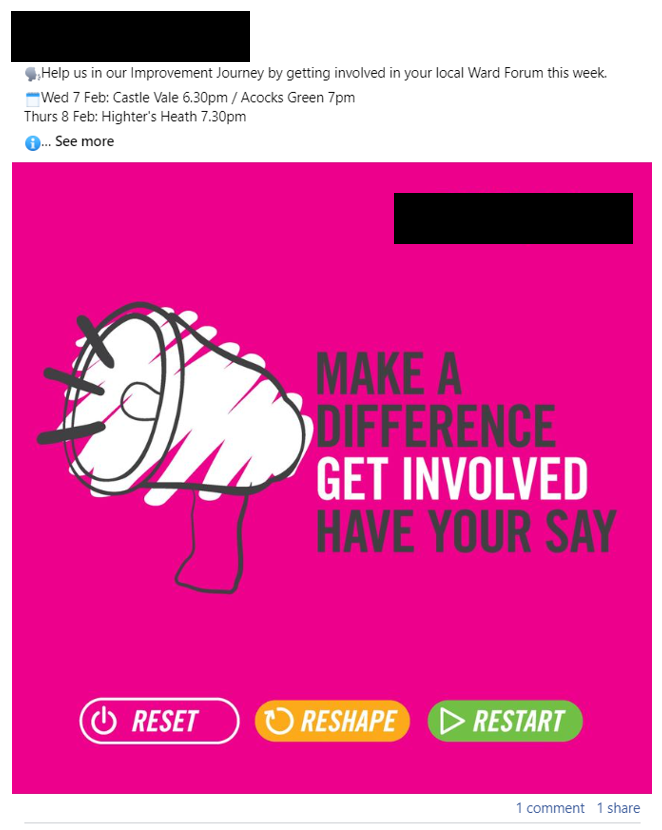
Chief amongst the failing content in 2024 is artwork. This is content often with logo, dates, times and a key message. It’s starting point is print and it often applies the rules of print to the social web. It’s often not accessible without ALT text.
It’s easy to see why this is done. It is branded-up. It ticks a marketing box but the level of engagement in the study at just 0.02 per cent against an Adobe yardstick of two per cent for what makes this ‘good’ tells a story. It ticks a box.
It is social media as bus shelter and I’d love to see some evidence that it works.
Here’s an example. I’ve anonymised the example.

Content with pictures works especially if they tell a human story
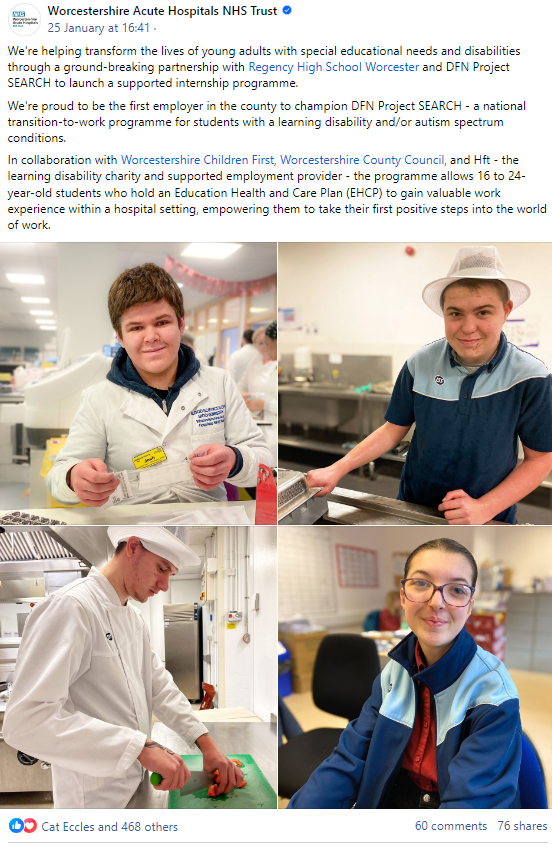
What does work is unbranded pictures. They’re often of real people such as staff and they can be celebratory.
This taps straight into the heart of the tried and tested rule that news is people that served newspapers well for more than a century. People like people. On social media people really like people.
On average there is 0.81 per cent engagement the healthiest in the survey.

Reels video can work
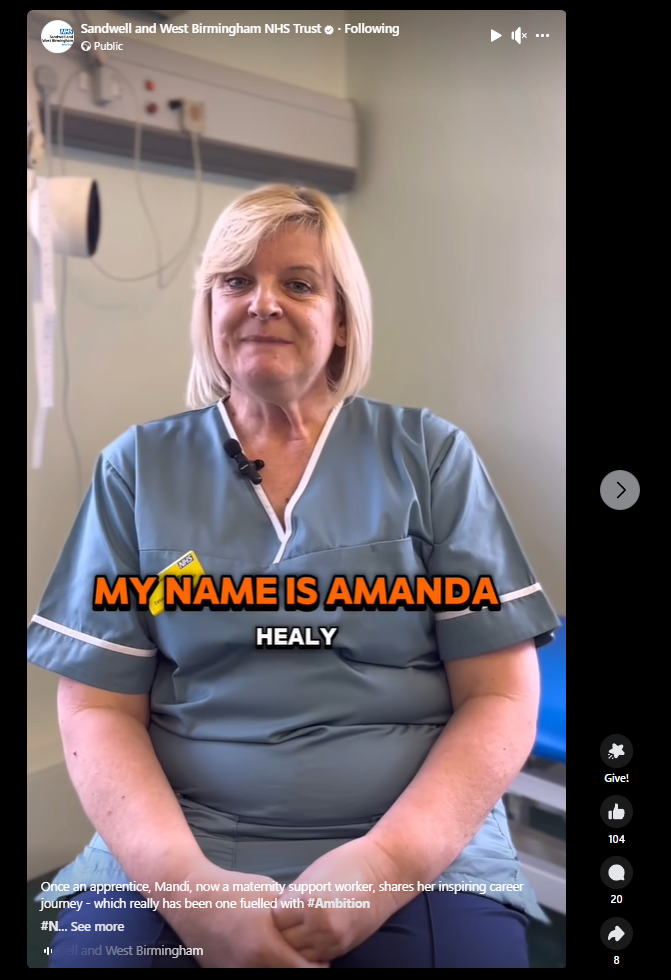
Next to Reels video which is Meta’s portrait-shaped reply to the powerful rise of TikTok.
This is used far less in the study. No doubt it takes longer to create. But at 0.65 per cent it is 32 times more effective than the disappointing numbers for artwork updates.
Reels is also content that is strongly rewarded by the algorithm.

Video also works
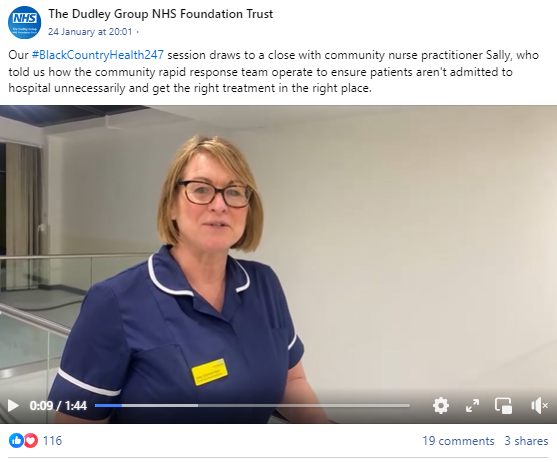
Half of all time spent on Facebook is spent watching video so it’s highly likely you need to be doing more with video.
In the study, this reached 0.6 per cent measured against a benchmark of good being two per cent. It’s neck-and-neck with Reels as the most effective content.
But you do need to be creative and hook people from the opening second and you do need subtitles to make it accessible.

Toolkit content really doesn’t work
I’ve been noticing for some time the worst performing content of all is toolkit content. Nationally-generated very often these missives are posted without local colour or flavour.
Engagement is poor and here they reached 0.05 per cent.
Often when I’m talking in a social media review people will roll their eyes and admit they know it doesn’t work but are pressed to do it. Often they’d be better off not bothering posting the toolkit content. It is a false economy. It swaps the reward of speed for poorly performing content that does not connect. This harms the algorithm for the next pieces of content that are posted so it is in the page admin’s interest to be a gatekeeper by and large for this.
If the campaign in question is worth doing make your own with a local voice to deliver it.

Conclusion
In short, the content that is posted can make or break the message.
This data is a snapshot and I’d ask everyone looking at delivering their own to look closely how their own is performing. The numbers don’t lie. Use that data to insist on high standards.
Toolkit content and its near neighbour artwork don’t work. It is a relic of a bygone age. Worse than anything it gives the illusion of having worked when the numbers would suggest it is not connecting with people.
You have a national campaign aimed at encouraging people to visit their pharmacy? Get someone on video telling why this is important, Better still a pharmacist from your area. The lessons learnt during the worst of COVID were hard won and easily forgotten. For it to work, it takes work. The Afro Caribbean GP addressing the Afro Caribbean community connected. The national poster did not.
Of course, time is precious and resources are scarce. I suspect the answer is less is more when it comes to pumping out Facebook – and other – content.
I carry out TRAINING and SOCIAL MEDIA REVIEWS to help you improve what you do.